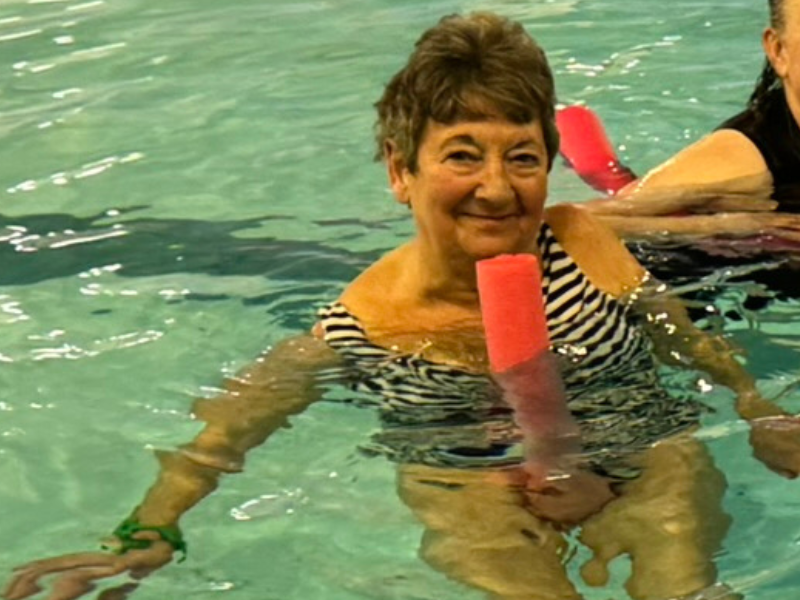
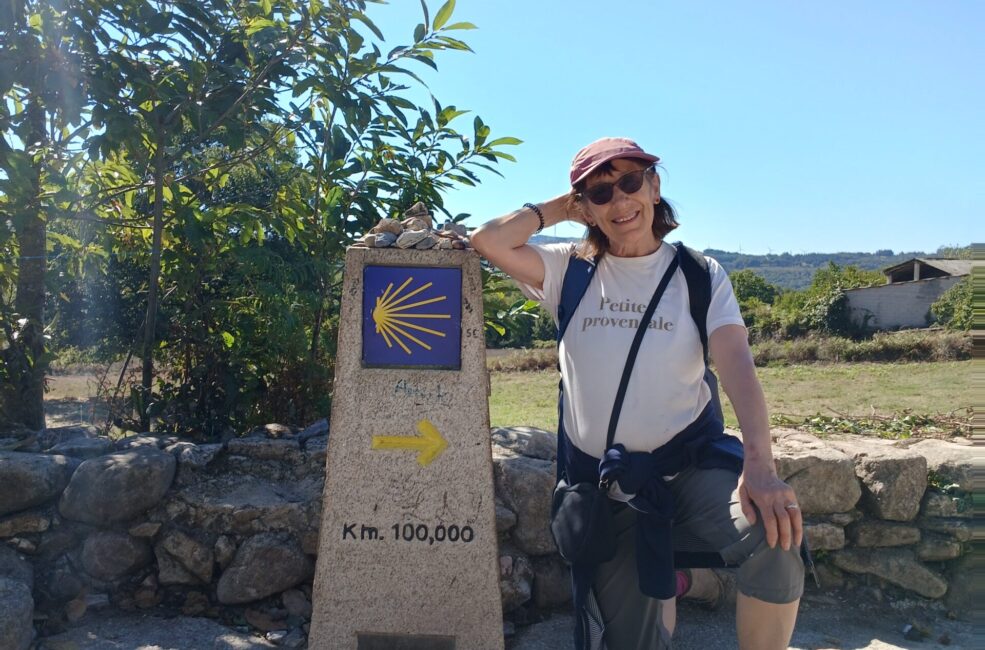
How one member marked turning 70 with a life-changing pilgrimage…
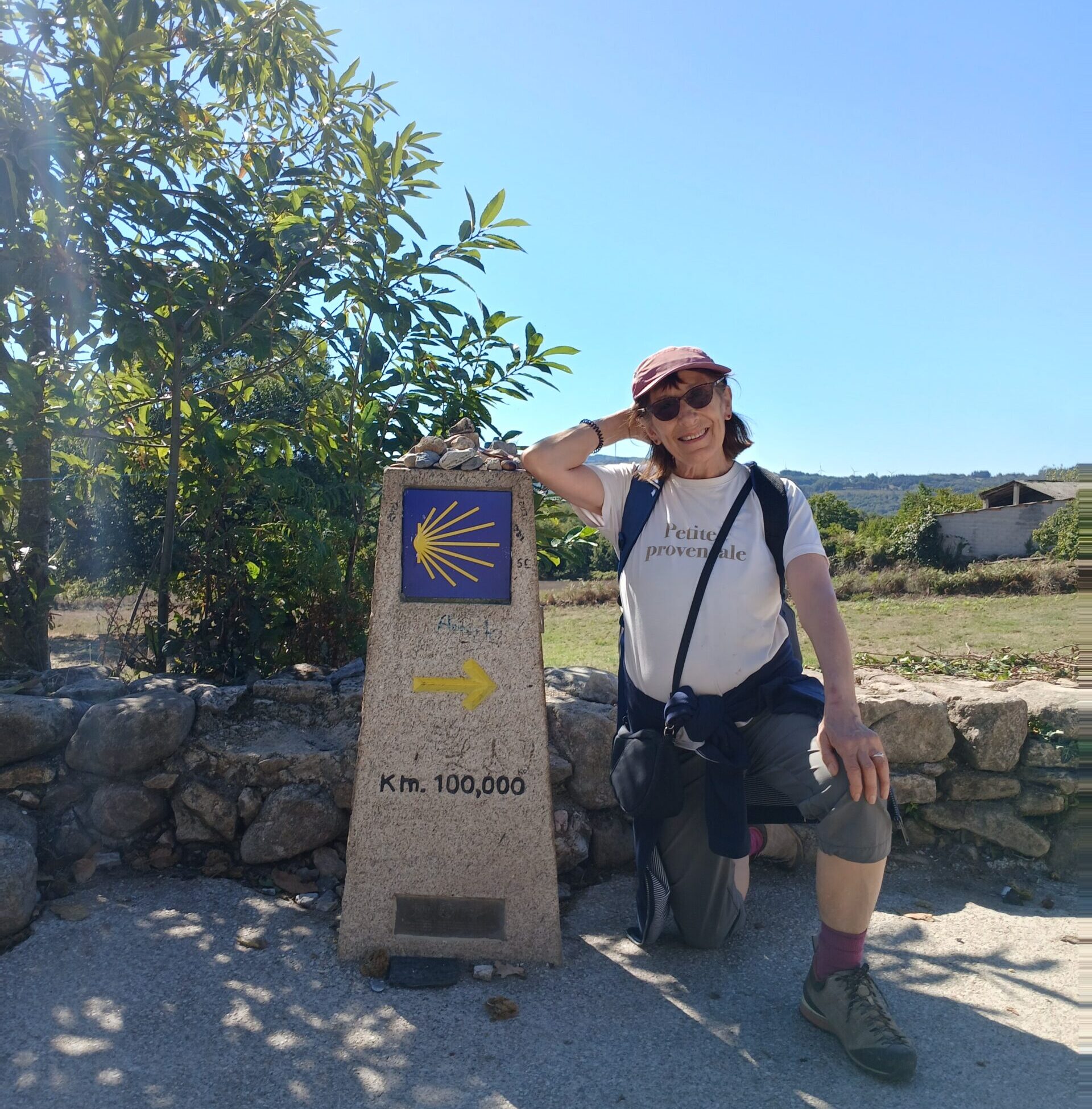
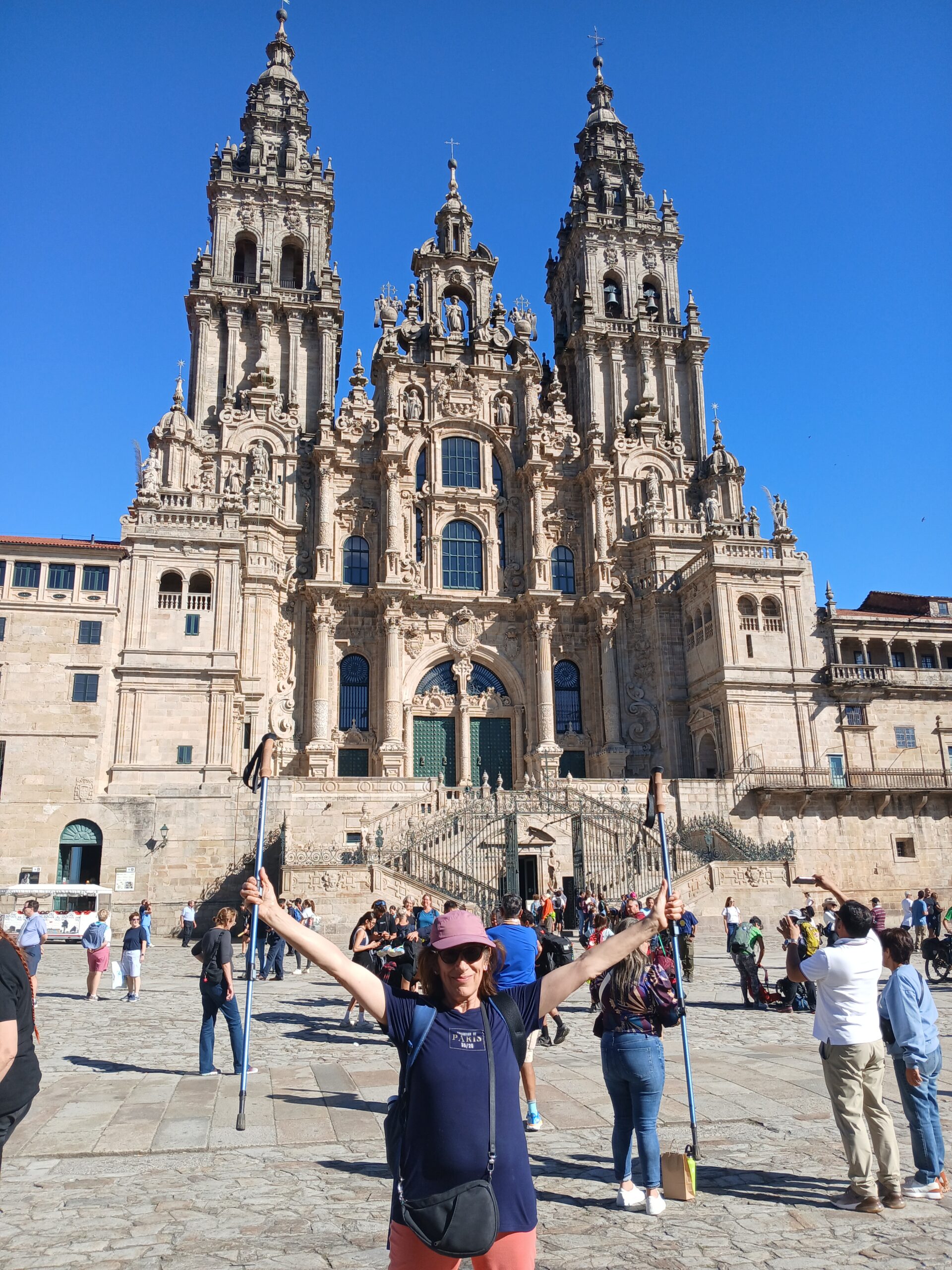
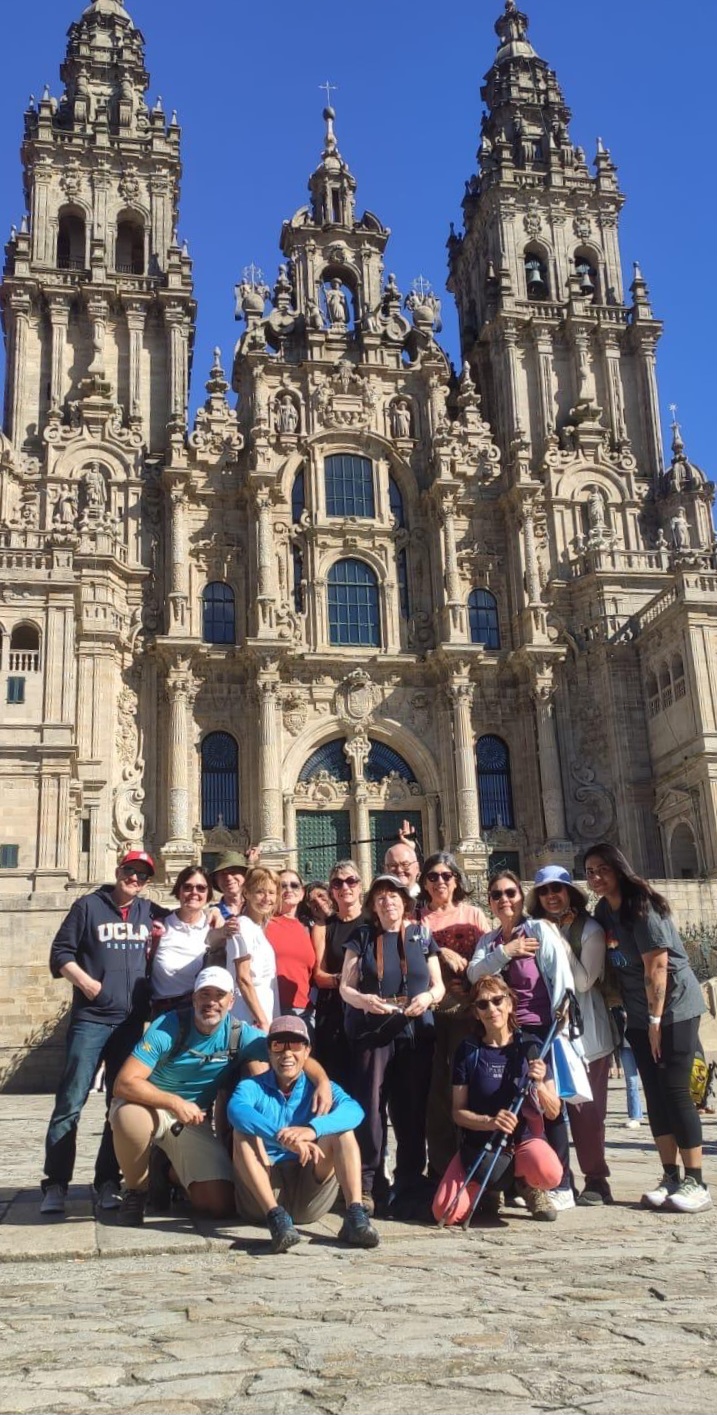
When Denise turned 70, she didn’t want the usual celebration. She wanted to do something adventurous that she would always remember. So, she chose to walk part of the Camino de Santiago (the last 130kms over 6 days)— one of the world’s most famous and historic pilgrimages.
People have walked the Camino for over a thousand years, traditionally travelling to the city of Santiago de Compostela in northwest Spain, where the remains of St James are believed to rest. Today, more than 300,000 people walk it each year for all kinds of reasons — spiritual, personal, emotional or simply for the adventure.
Denise wasn’t drawn to it for religious reasons, nor because she was an experienced hiker. She simply said:
“I just wanted to do something monumental.”
Finding Strength
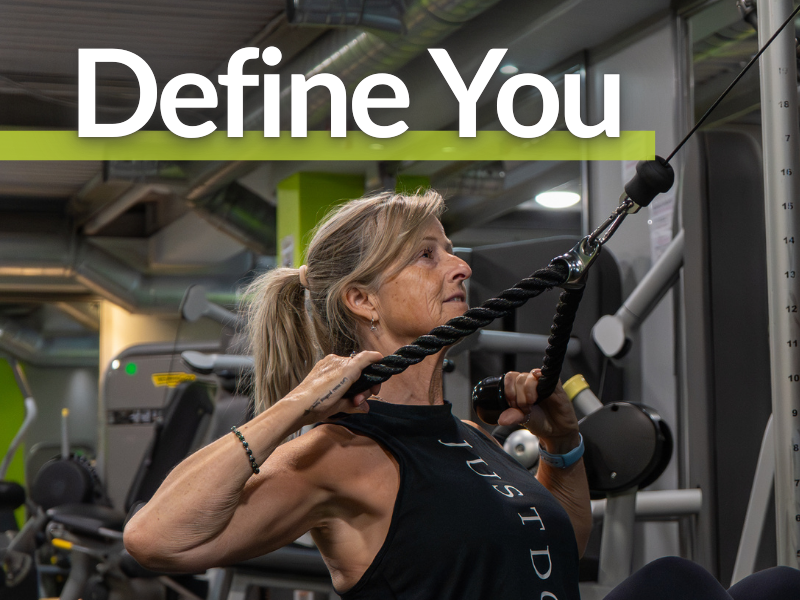
Denise has spent much of her life investing in her strength and wellbeing.
“I’ve done yoga all my life,” she said. “Not out of vanity but to be stronger, especially in older age”
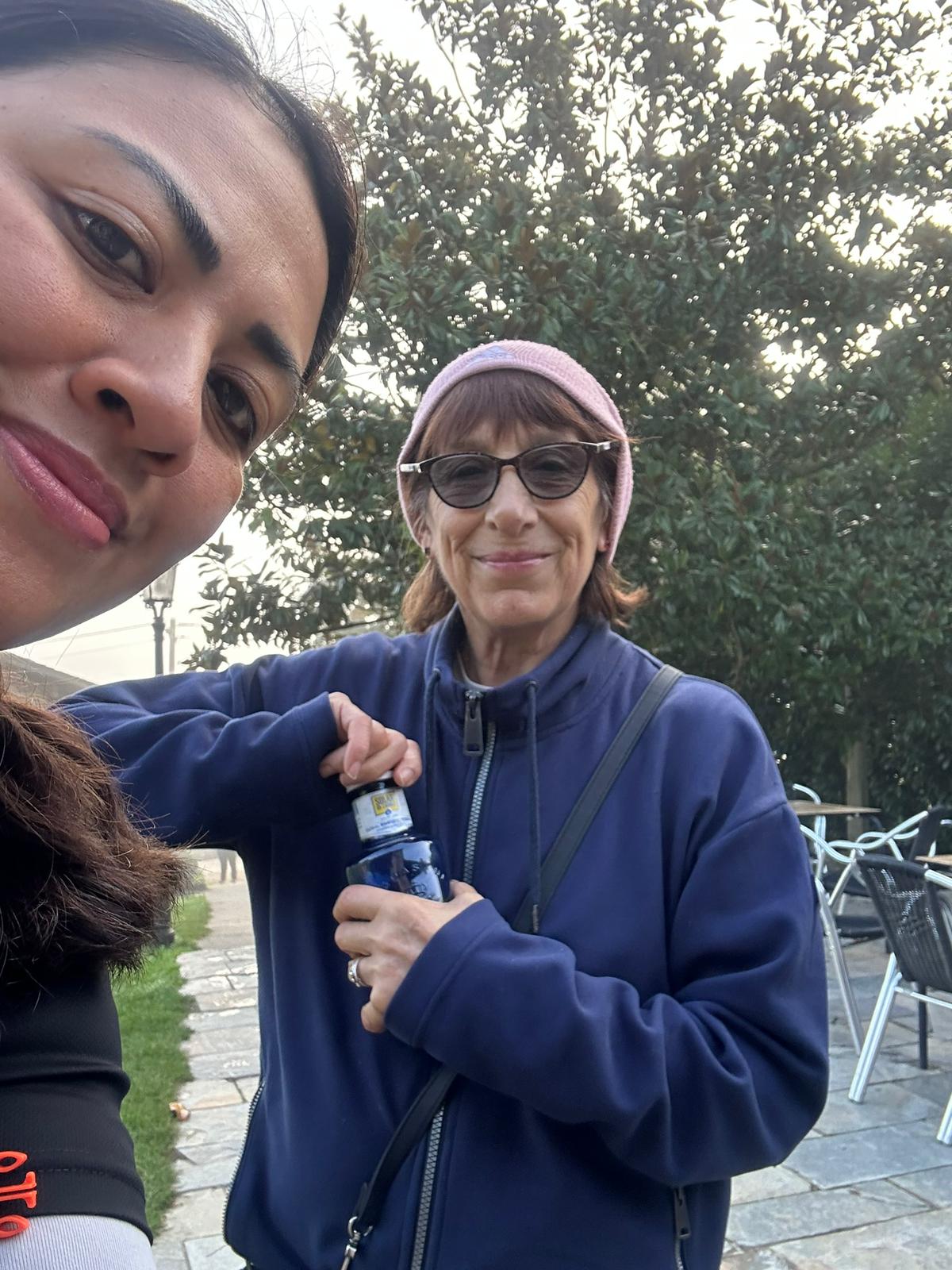
Walking became part of her routine after joining the Wellbeing Walks at the centre and she began as she thought it would be a great way to stay active but also social.
Those walks, combined with her regular classes, laid the foundations for something bigger than she’d ever attempted before.
The Inspiration & Preparation
Her sister had completed sections of the Camino in France and the film The Way and the BBC series Pilgrimage gave her another glimpse into what the pilgrimage means to people.
“It’s not necessarily religious but a personal journey,” she said. “But when you watch the films it highlights what the Camino means to different people.”
Before she could start, she had to face something she’d avoided for years: flying and airports. “They say a Camino starts when you leave your front door.”
Two rounds of security, a 25-minute airport dash to change planes at Madrid airport carrying heavy luggage, she made it. Phobia challenged and conquered. To build confidence, she trained for months.
“I looked online at how you should train,” she said. “But I realised I was already doing most of it.”
She gradually increased her walking distances, tackled hills, used the treadmill at the centre, along with strength training, aerobic workouts and yoga as usual. She bought a few extras — earbuds (for training), trekking poles and anti-blistering socks which were recommended. But even with the training, doubts crept in.
“I lost a little sleep, I thought, what have I signed myself up for? But I told myself ‘Just do it’.”
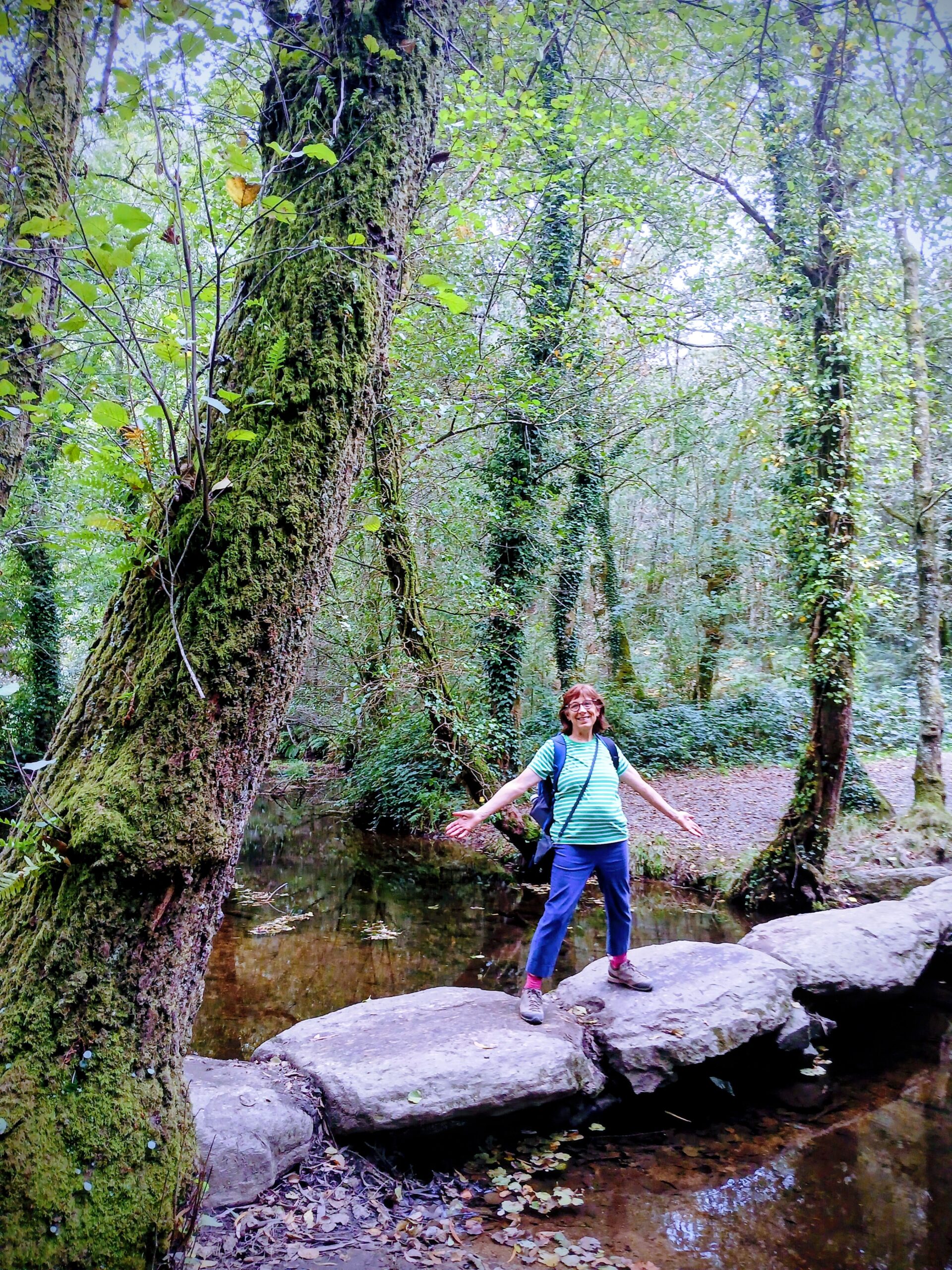
When she arrived, she discovered she wasn’t alone in travelling solo. Many of the women in the group were also walking independently and for their own reasons. “I haven’t done trekking before,” Denise said. “I didn’t know if I was capable.”
The days were long, the terrain varied and the heat took its toll. But Denise kept going. The longest day — 19 miles — she was most concerned about. “I knew I could do 14 miles but after that I would be out of my comfort zone.”
The morning was cloudy and cool, giving her a good start. At lunchtime she paused for something familiar: An English cup of tea. She also changed her socks, advisable to avoid blisters.
After lunch, everything shifted. “At times it felt like I was walking on air. When I arrived at the hotel and was met with cheering and congratulations it was our tour guide who commented “It was the tea and magic socks that did it!””
The Camino didn’t just test her physically — it reshaped the way she thinks. “I can lack confidence, but the Camino changed that. ‘I came back more confident, thinking those little things I used to stress over, they really don’t matter’.
And although she set off alone, she found she was never truly by herself. “That’s partly the point of a pilgrimage — you learn about people. You talk to strangers. People do it for all sorts of reasons.”
Her group formed a WhatsApp chat after returning home and several are already planning their next pilgrimage. “Next time I might take the train, to walk from Arles to Montpellier (where my sister lives). We now have a shared experience of walking the Camino at the age of 70.”
Since coming home, Denise has returned to her classes and art groups. “It was more fulfilling than a holiday,” she said. “It stays with you for life.”
Denise's message to others
“Don’t doubt yourself. Do some training, maybe join a walking group. But don’t be afraid of doing it on your own.”
And her final thought — one she hopes others take to heart:
“Turning 70 doesn’t mean stopping. It can mean starting something amazing.”